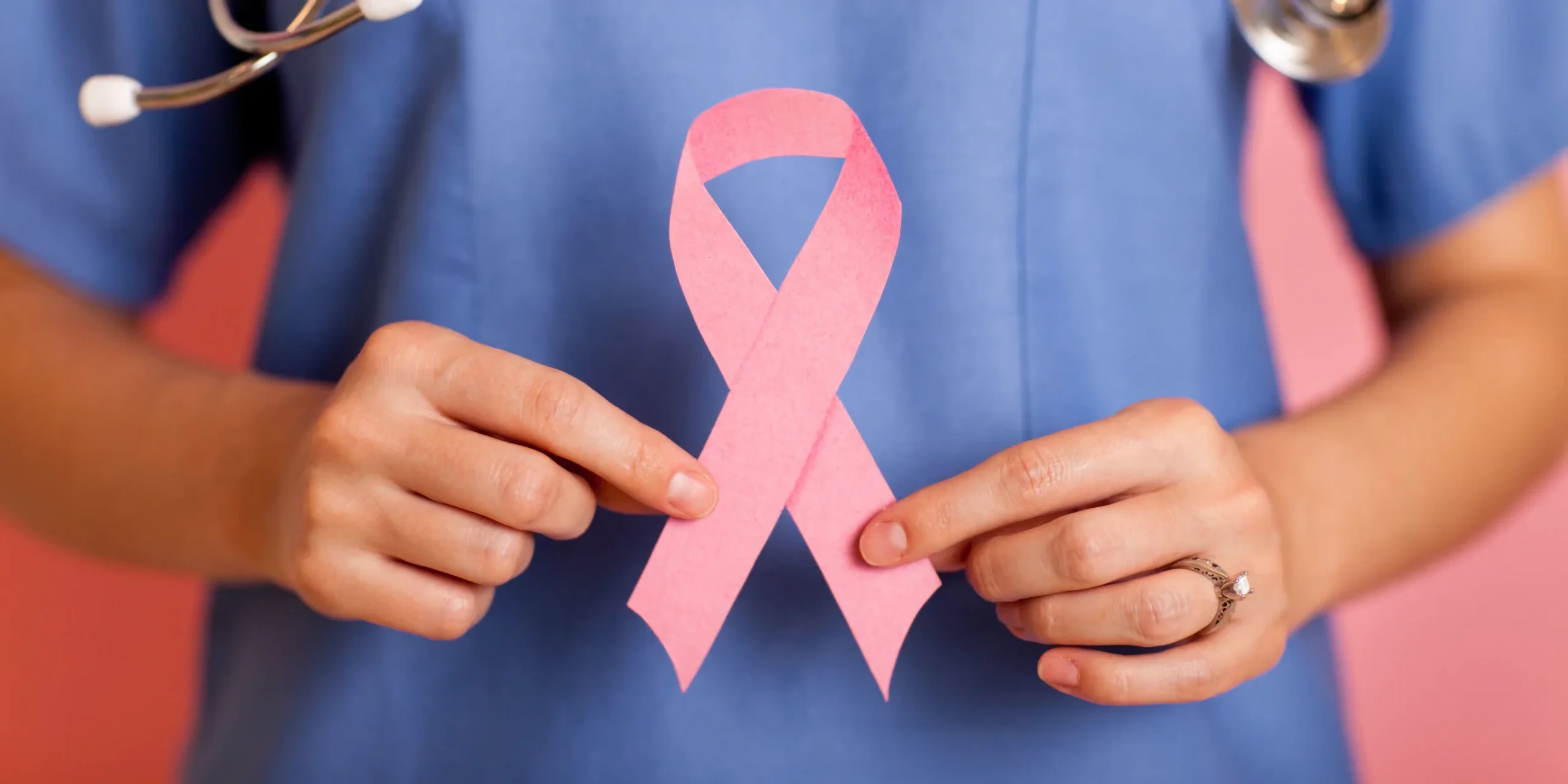

Cancer is rising in younger adults, this is the story of Adaeze a 28year old female who found a lump. She was a final year law student in Enugu, who assumed it was a minor cyst — something that would go away. By the time she saw an oncologist, the breast cancer had already advanced to stage three. She is now in treatment, but her story is not unique. Across Nigeria, from the bustling streets of Lagos to the hospitals of Kano and Ibadan, doctors are reporting the same unsettling pattern: cancer is rising in younger adults.
The numbers are stark. There were over 269,000 new cancer cases registered in Nigeria in 2022, with breast and prostate cancer being the most prevalent. More alarming is the emerging burden on adolescents and young adults. A study at a radiation oncology clinic in Nigeria found that cancer cases among young adults aged 15 to 39 accounted for 14.1% of all cancer cases seen over a five-year period, with breast cancer, bone and soft tissue tumors, and cervical cancer being the most common.
So why is this happening? The answer lies at the intersection of biology, lifestyle, infrastructure, and a society changing faster than its healthcare system can keep pace.
The Lifestyle Shift No One Prepared For
Nigeria’s cities are transforming rapidly. With urbanization has come a seismic shift in how young Nigerians eat, move, and live. The upward trend in globalization, facilitated by the increasing affordability of digital devices, has enabled an exchange of cultural and lifestyle preferences — some of which are cancer-promoting, including changes in dietary habits, smoking, and alcohol consumption.
The traditional Nigerian diet — rich in whole grains, legumes, and vegetables — is quietly being replaced by processed foods, sugary drinks, and fast food. Diets high in processed sugars, increasing obesity, and low physical activity contribute to inflammatory and metabolic pathways that drive cancer development.

This is not a moral failing; it is the consequence of modern urban poverty, long working hours, and aggressive food marketing targeting young people.
Nutritional Support for Women Living with Cancer.
Infections That Silently Lay the Groundwork
For many young Nigerians, cancer does not begin with a cigarette or a bad diet. Viral infections is another reason cancer is rising. One they may have contracted years, even decades, earlier. Nigeria is hyper-endemic for Hepatitis B and C, which are major drivers of liver cancer. These infections silently transform healthy liver cells into cancerous ones over decades. Cervical cancer is almost entirely caused by persistent Human Papillomavirus (HPV) infection.

HPV is particularly devastating among young women. It spreads through sexual contact, and without vaccination or regular screening, it progresses undetected. Breast cancer is the most common cause of cancer death among Nigerian women, while cervical cancer accounts for the second largest number of female cancer deaths in Nigeria. Both are cancers for which early intervention is highly effective — yet most young women are diagnosed far too late.
A Healthcare System Stretched Too Thin
The biology of cancer does not operate in a vacuum. Early detection saves lives, but Nigeria’s health infrastructure is under enormous pressure. With only 27 cancer treatment centers available for a population of 218.5 million people, patients encounter significant delays as well as financial burdens. For a young person without insurance, the cost of a biopsy alone can be catastrophic.
Cancer rising in Nigerian communities demonstrates a substantial burden which the existing cancer care system may not be able to curtail. Radiotherapy machines are few, chemotherapy drugs are frequently out of stock, and oncologists are concentrated in just a handful of cities. The result is that by the time most young patients are correctly diagnosed, the disease has progressed to a stage where outcomes are significantly worse.
Cancer is Rising: A Preventable Crisis
Approximately 40 percent of cancers are preventable, yet Nigeria is not preventing them effectively or urgently enough. The tools exist: HPV vaccines, Hepatitis B immunization, routine screening, and lifestyle education. What is missing is the political will and community infrastructure to deploy them at scale — especially for young people who do not yet believe they are at risk.
Adaeze survived her first round of chemotherapy. But she should never have been in that chair at 28. Nigeria’s young people deserve a fighting chance — not just at treatment, but at never getting sick in the first place. Cancer is rising in young Nigerians and we should begin with naming the crisis for what it is: urgent, solvable, and long overdue.
To speak to an oncologists click here to book your appointment. Do not wait until it is too late.
Author